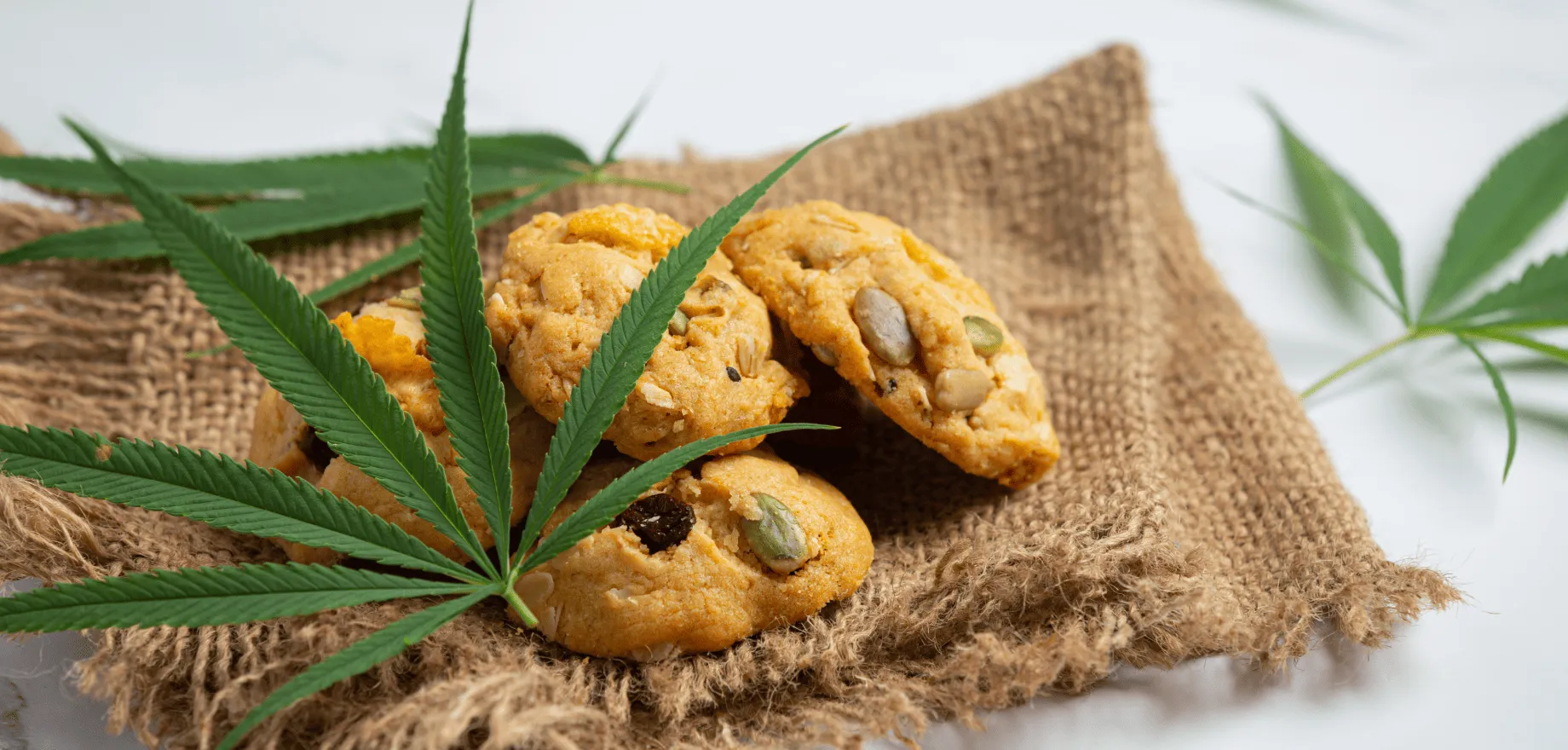
No matter how much research you’ve conducted on any of the various methods, ingredients, or techniques — regardless of how many recipes you’ve tried — there’s only one key idea you should understand prior to starting. All of the rest of this information is simply secondary.
Take a read of this first, and when you’ve finished reading this, go ahead and cook. If you determine today that cooking isn’t for you, we have all of our cannabis-infused products available online to help you avoid having to do any work yourself.
One concept you must understand first
There is a significant difference between THCA (a non-psychoactive acid compound) found in fresh cannabis and thc (the psychoactive component found in cannabis). You cannot turn THCA into thc by eating it. Heat does that. Without applying controlled and continuous heat to your cannabis prior to making Edibles, you may consume a whole pan of brownies and experience little-to-nothing. This process is referred to as decarboxylation. Although it might seem technical, it is simple.
→ Grind cannabis until it is coarse → lay it flat in a single layer on a baking sheet lined with aluminum foil → bake in an Oven at 110°c with no fan for 40–45 minutes → when the color turns from green to light brown, you'll know it is ready → once cooled, use.
Decarbing your cannabis for Forty-five minutes in an Oven transforms inactive plant material into active cannabis. Do not skip this step.
Infusing cannabis: three options — select one
Cannabis must bind to a fat or alcohol to become functional in food. Cannabinoids are insoluble in water. Here are the three options you should know:
1. Coconut Oil Infusion — most versatile option
Coconut oil is a highly fatty substance which makes it excellent for absorbing cannabinoids, and works in both sweet and savory recipes.
Combine decarbed cannabis with coconut oil in a heat-resistant container. Submerge the container in hot water and hold at 70–80° C for 2–3 hours. Stir periodically. Strain. Done. Use wherever you would use oil or butter.
2. Cannabutter — a classic for a reason
Richer flavor than coconut oil, cannabutter is ideal for baked goods — cookies, brownies, shortbread, cakes.
Heat butter with equal volumes of water at low temperatures. Add cannabis. Hold at 70–80°c for 2–3 hours. Strain through cheesecloth. Chill. The solidified butter separates from the water — save the butter, discard the water.
3. Alcohol Tincture — ideal for accurate dosing and fast onset
Not for baking — use drops added directly into beverages, yogurt, or sublingually (under the tongue).
Combine decarbed cannabis with high-proof food-grade spirits (e.g., vodka). Store in a sealed glass bottle in a cool, dark location for 2–4 weeks. Shake daily. Strain. Use drops accordingly.
Some ideas of things you can make
| Edible type | Recommended base | Level of difficulty | Time of onset |
| Brownies/cakes | Cannabutter | Simple | 60–90min |
| Cookies | Cannabutter | Simple | 60–90min |
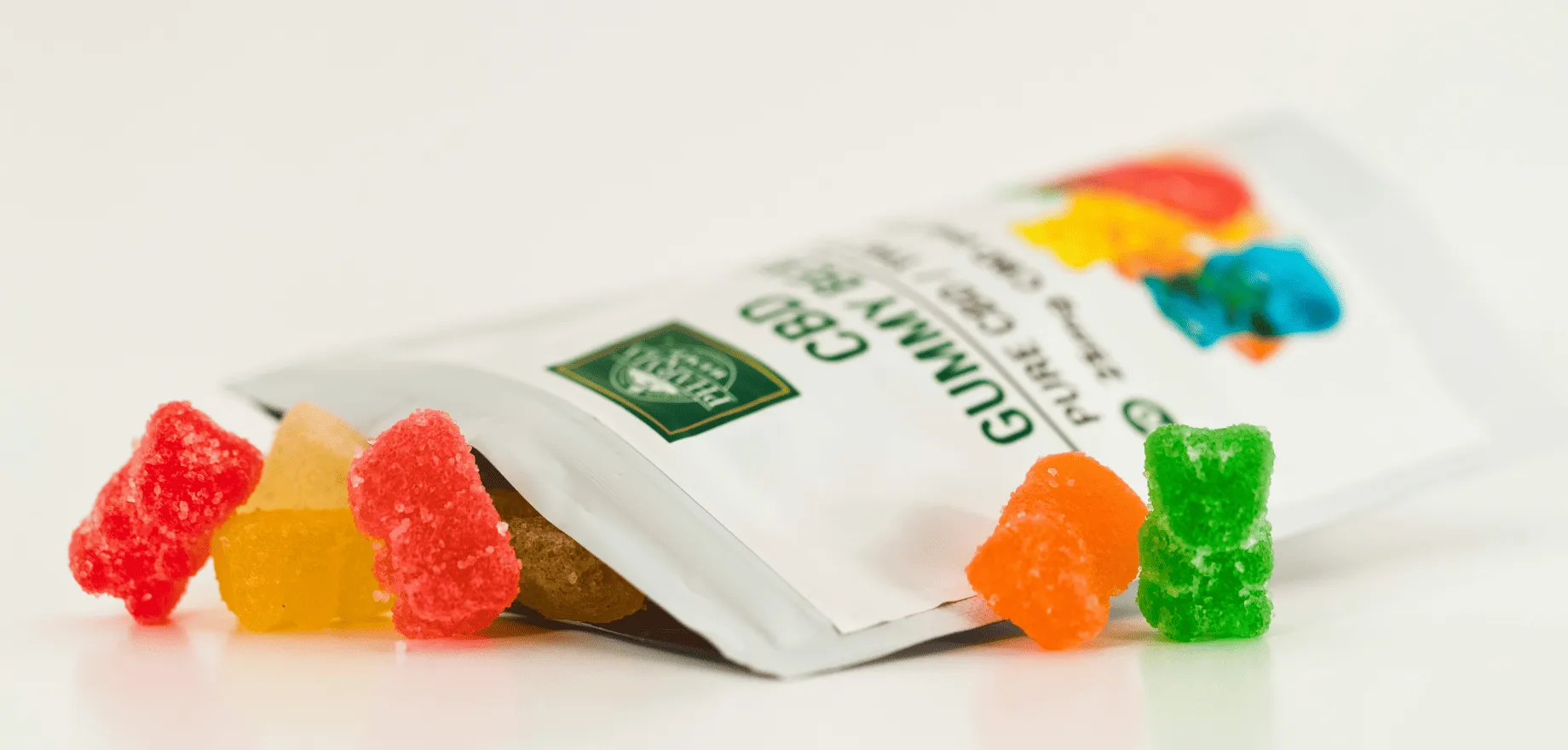
| Gummies | Lecithin + coconut oil | Moderate | 45–75min |
| Pasta/savory dishes | Coconut oil | Simple | 45–75min |
| Salad dressings | Coconut oil | Extremely simple | 30–60min |
| Beverages (hot drinks) | Tincture | Extremely simple | 20–45min |
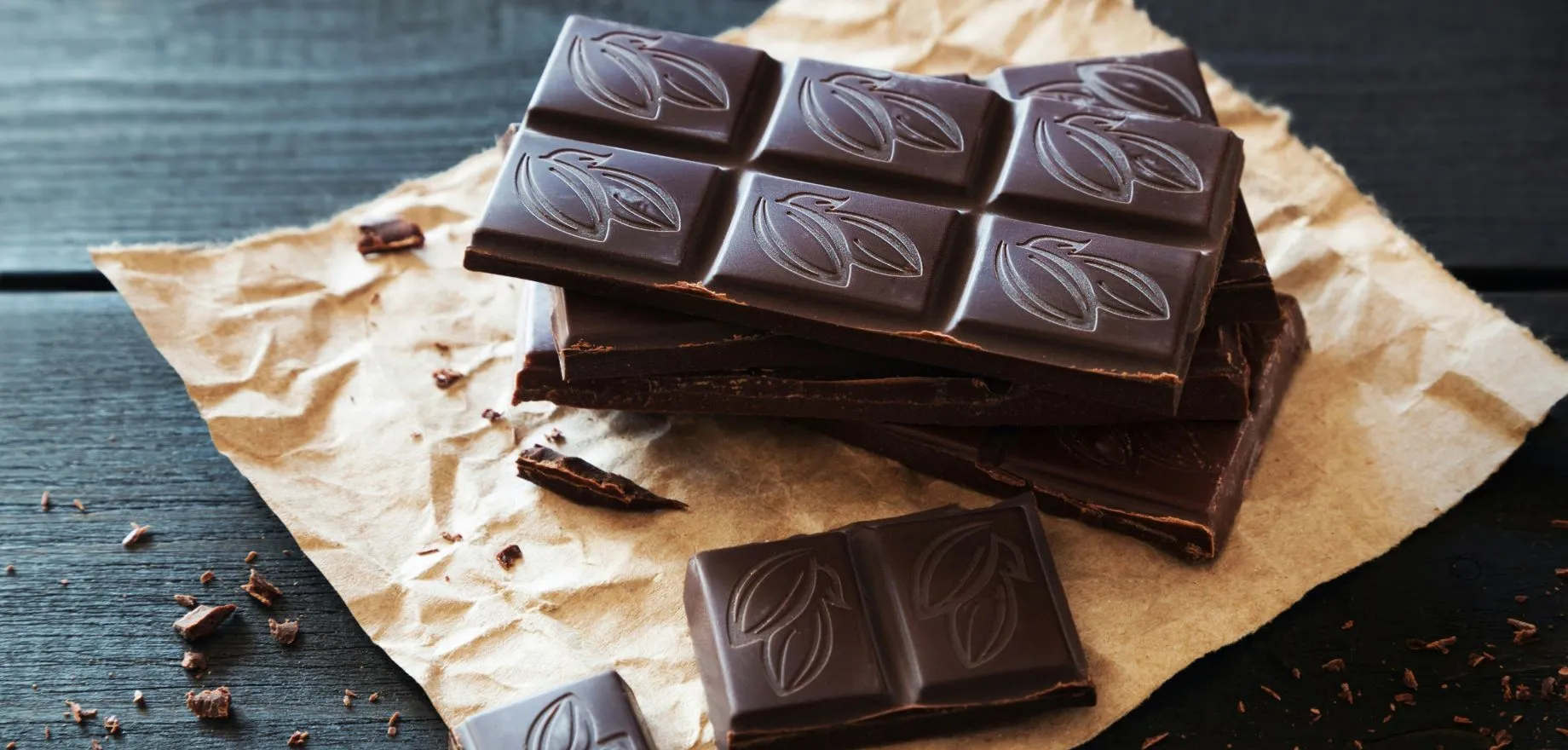
| Chocolate/drops/truffles etc. | Coconut oil | Moderate | 45–75min |
Dosing: the truth
Formula: total Grams of cannabis x % thc x 1000 = total milligrams of thc in final edible Batch Divide final edible Batch into portions = milligrams per portion factor-in 20–30% reduction due to cooking loss
Example: a 2g batch of 15% flowers yields ~300mg thc pre-cook (~210–240mg post-cook), divided evenly among 24 pieces of edible = ~9–10mg thc per serving. Realistic. Manageable. A great place to begin.
The one principle that remains true: wait at least two full hours after consuming one portion before taking another portion. Always.
Common errors that ruin batches
Although there are many issues related to infusions and Edibles, nearly all errors fall into a small group:
- Low-and-slow decarboxylation - while low-and-slow is accurate; attempting to rush decarboxylation with higher temperatures reduces thc levels before they can be utilized
- Excessive temperature during infusion cooking - above 90°c, cannabinoids break down; maintain low heat throughout infusion/cooking processes
- Poor mixing techniques - infused oils float when mixed improperly; mix well and consistently before portioning your final products
Making edibles well is a skill that builds quickly. Your third batch will be dramatically better than your first. But if you want to know what a well-made, consistently dosed edible actually tastes and feels like before you start experimenting — that's a reasonable place to begin. Explore the full Properloud catalogue of cannabis products and try something from people who've already done the experimenting for you.